

The Iron Route in the Pyrenees and the contribution of the Madriu-Perafita-Claror Valley

The Iron Route in the Pyrenees is a cross-border cultural route that preserves and promotes the heritage associated with the culture of iron on both sides of the Pyrenees. It brings together territories in Andorra, Catalonia, Aquitaine, Languedoc-Roussillon and the Basque Country around mines, forges, charcoal kilns and the historic routes once used to transport iron. In 2004, the project received an Honourable Mention from the Council of Europe as a Cultural Route. Its aim is to connect iron landscapes and heritage sites from the Atlantic to the Mediterranean.
For more information, visit the official website of the Iron Route in the Pyrenees: https://rutadelferroalspirineus.ad/
The Ironworking Trail: Our Section of the Iron Route
The Madriu-Perafita-Claror Valley, a UNESCO World Heritage Site, forms part of the Iron Route in the Pyrenees through the Ironworking Trail, our industrial heritage route, which illustrates how iron production shaped the valley’s landscape between the eighteenth and nineteenth centuries. This trail also represents our contribution to the Andorran section of the cross-border Iron Route.
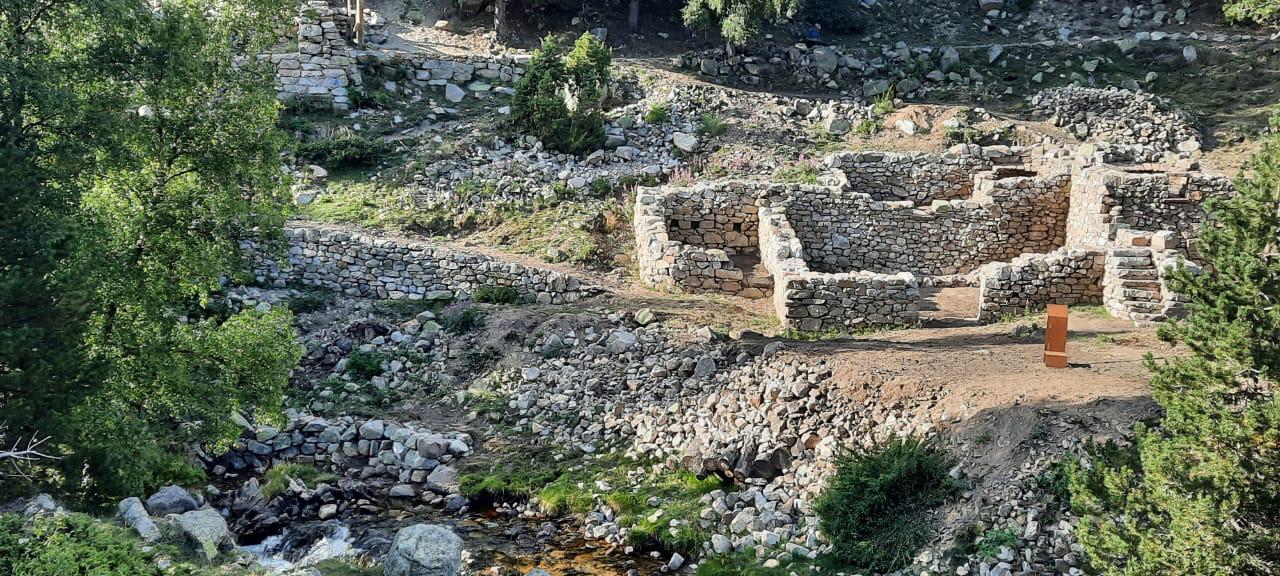
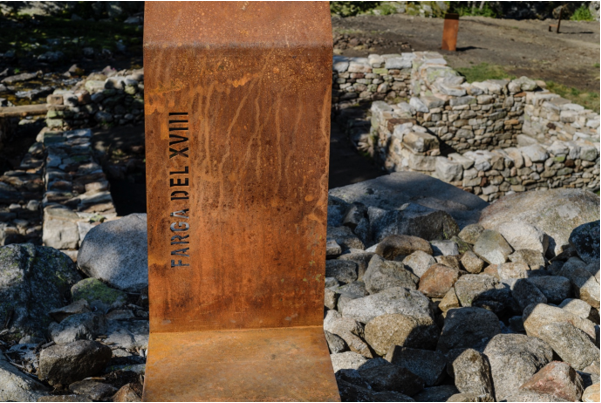
At the heart of the trail stands the Madriu Forge, built in 1732 at the site known as Solà de la Farga. Here, using the Catalan forge system, iron ore was smelted with charcoal to produce wrought iron, which was then forged into bars.
The themed route, “Discovering the Iron Heritage of the Madriu-Perafita-Claror Valley”, invites visitors to follow the traces of the iron industry through a living cultural landscape. Along the way, visitors can discover:
- The sites where wood was converted into charcoal.
- The remains of the forge where iron was produced.
- The historic paths once used to transport iron to Catalonia.
This circular trail, of moderate difficulty (between 12 and 13.5 km in length and with between 375 and 425 metres of ascent, depending on the starting point), links Engolasters with the Madriu Forge and includes the historic Ràmio borda (traditional mountain shelter).
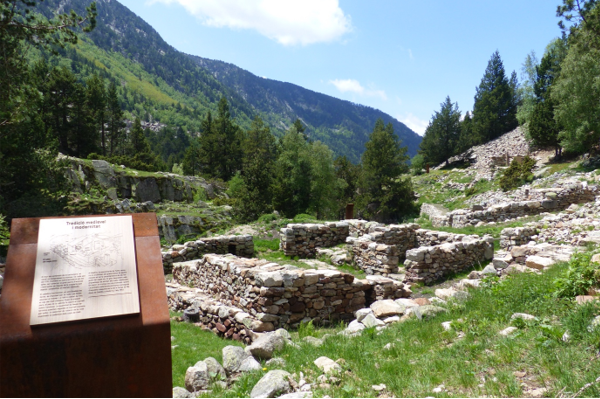
Within this trail, and unlike the full themed route (designed as a planned excursion), visitors will also find a short self-guided interpretation circuit at the Madriu Forge itself. This 550-metre route, incorporated into the Camí de la Muntanya footpath, features thirteen interpretive stops and is intended for spontaneous visitors wishing to make a brief stop to understand the archaeological remains and the evolution of the surrounding landscape. The circuit is the result of the archaeological investigation and conservation programme carried out at the forge between 2021 and 2024.The digital guide to the Ironworking Trail can be downloaded free of charge from our website under the Themed Routes section or directly via this link. It is also available on the websites of Museums of Andorra and the Iron Route.
The Cross-Border Trail
The Andorran section of the Iron Route in the Pyrenees links the Principality’s main iron heritage sites: the Men of Iron trail in Ordino, the Rossell Forge in Escaldes-Engordany, and our Ironworking Trail in the Madriu-Perafita-Claror Valley.
The route begins in the village of Auzat, in Ariège (France), enters Andorra via the Port del Rat mountain pass, and continues through Llorts, the Camí Reial, Ordino, La Massana and Escaldes-Engordany before crossing into Catalonia and ending in the village of Martinet, in Cerdanya, with an alternative branch leading to Os. In total, the route covers 65 km divided into six stages, designed to be completed over three to six days of walking. It forms part of the eastern section of the long-distance trail that crosses the Pyrenees from the Atlantic Ocean to the Mediterranean Sea.
The Iron Route Association is currently developing a digital application that will bring together all the trails and points of interest across the Pyrenees, together with a network of local partners, including guides, accommodation providers, museums and outdoor tourism businesses.
The Madriu-Perafita-Claror Valley Joins the Iron Route Assembly Board in 2026
At the General Assembly held on 17 April 2026, it was approved that the Director of the Management Commission of the Madriu-Perafita-Claror Valley would serve as a Board Member of the Assembly of the Iron Route in the Pyrenees Association. This appointment strengthens the Valley’s role in the governance and future development of this cross-border cultural project.